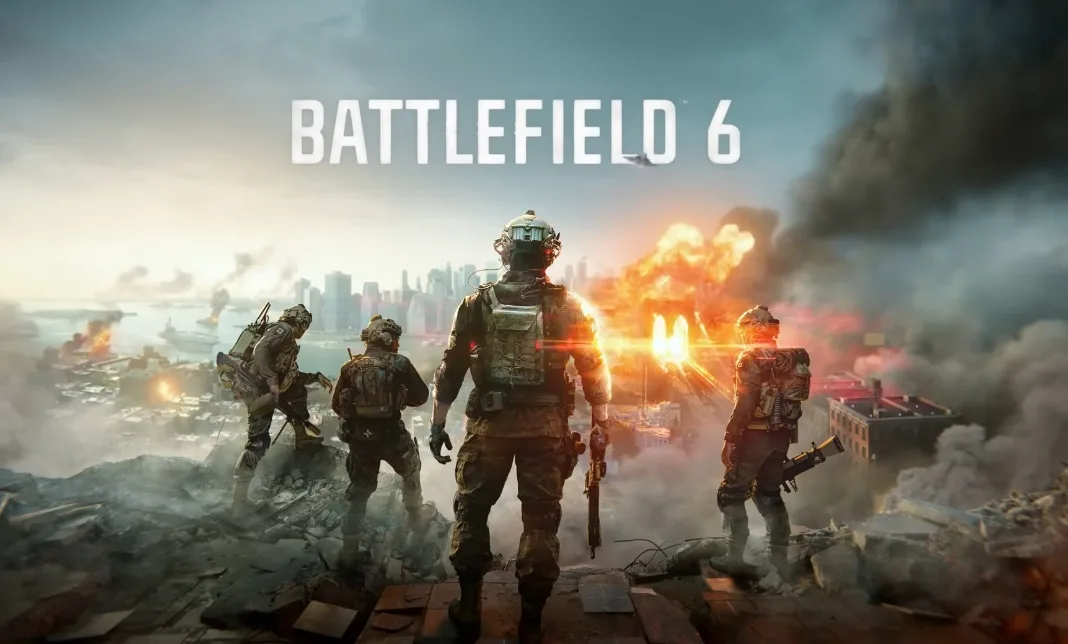
A new report suggests that Battlefield 6 relied heavily on generative AI tools during development, raising fresh concerns about transparency and disclosure. Despite the apparent use of AI-driven systems, there was no clear mention of such practices on its Steam listing, which has sparked debate among players.
AI Played a Major Role in Development
According to a report highlighted by Fast Company and surfaced by Insider Gaming, AI tools were deeply integrated into the game’s development pipeline. Developers reportedly used machine learning to enhance lip-sync for voice-overs and improve facial animations, helping characters appear more realistic on screen.
One tool, Voice2Face, was used to analyze recorded dialogue and generate accurate lip movements. The report claims that around 30% of the final animated speech in the game was created using this system. Another tool, FaceRig, helped artists streamline facial adjustments, reducing the time required to refine character expressions.
While much of the work still involved human input, these tools appear to have significantly accelerated development and improved visual quality.
Questions Around Steam Disclosure Rules
The controversy largely revolves around whether this level of AI usage should have been disclosed. Valve requires developers to disclose “player-facing AI output” on Steam, particularly when AI-generated content is directly visible to players.
However, pre-release uses of AI, such as for animation assistance, concept generation, or workflow optimization, do not always require disclosure. This has created a grey area, and Battlefield 6 now sits at the center of that debate.
Critics argue that if AI tools directly influenced character animations and visuals seen in the final product, players deserve transparency.
Past Controversies Add to Concerns
This isn’t the first time Electronic Arts has faced scrutiny around Battlefield 6. The game previously drew criticism for certain DLC items, including a cosmetic pack with unusual weapon configurations and a character skin that appeared similar to older Call of Duty artwork.
Some of these items were later removed, but the company did not provide clear explanations, adding to ongoing skepticism among players.
Growing Industry Debate Around AI
The Battlefield 6 situation reflects a broader trend in the gaming industry, where studios are increasingly experimenting with AI tools while navigating evolving rules around disclosure.
A recent example includes Crimson Desert, where developer Pearl Abyss faced backlash after failing to remove placeholder AI-generated images before release. Incidents like these are fueling discussions about where to draw the line between acceptable development tools and content that requires transparency.
Conclusion
As AI becomes more deeply embedded in game development, cases like Battlefield 6 highlight the growing tension between innovation and transparency. While tools like Voice2Face and FaceRig can enhance efficiency and realism, the lack of clear disclosure continues to raise questions among players.
Going forward, how companies like Electronic Arts handle AI usage may play a key role in shaping trust within the gaming community.