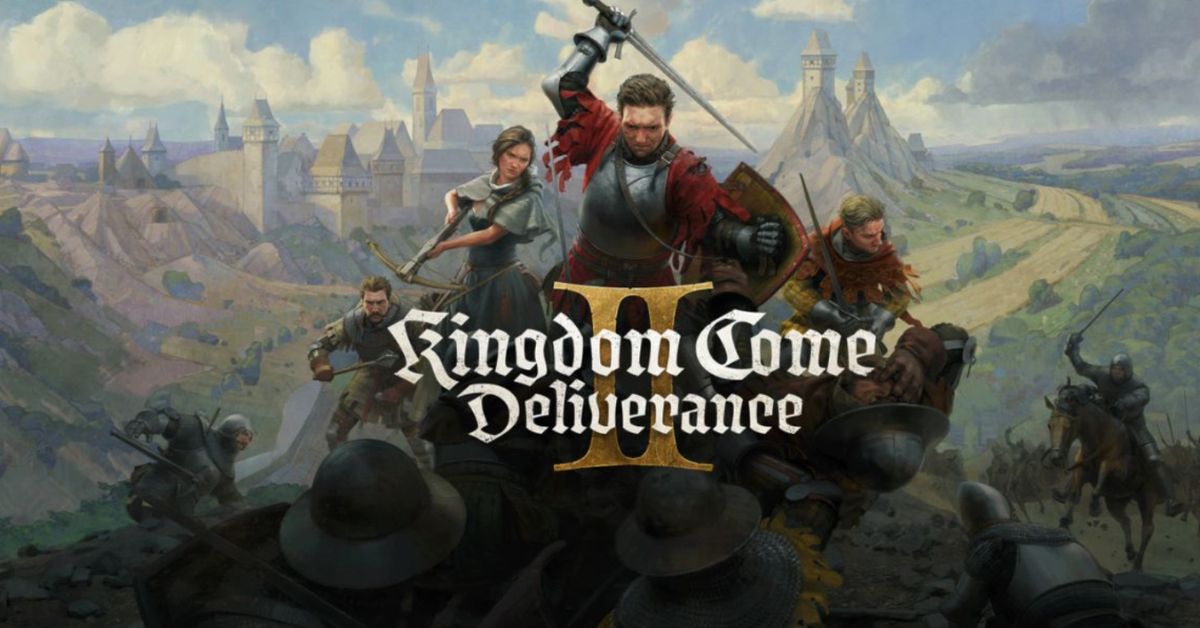
Daniel Vávra, the creative force behind Kingdom Come: Deliverance 2, has come out in support of Nvidia’s latest graphics technology, DLSS 5, despite growing criticism from gamers and developers. While he has stepped away from daily development duties at Warhorse Studios to work on a film adaptation, Vávra is still actively weighing in on major industry discussions.
DLSS 5 Faces Early Criticism
Nvidia unveiled DLSS 5 at its GTC 2026 event, promising a leap forward in visual fidelity using advanced neural rendering. The technology is designed to enhance lighting, detail, and overall image quality without significantly impacting performance, particularly for upcoming RTX 50-series GPUs.
However, early showcases didn’t land well with the gaming community. Demonstrations in titles like Starfield, Resident Evil: Requiem, The Elder Scrolls IV: Oblivion Remastered, and Assassin’s Creed: Shadows drew criticism for appearing overly processed, with some describing the visuals as “uncanny” or artificial.
This reaction quickly turned into widespread skepticism online, with many users dismissing DLSS 5 as unnecessary or comparing it to an exaggerated visual filter.
I can imagine in the future devs will be able to train this tech for particular art style or specific people faces and it might replace expensive raytracing etc. This is just a little uncanny beginning. No way haters will stop this. Its way more than a soap opera effect every tv… https://t.co/SUdxhy6Arj
— Daniel Vávra ⚔ (@DanielVavra) March 23, 2026
Vávra Pushes Back Against “Haters”
Vávra, however, sees things differently. In a recent post on X, he defended the technology and expressed confidence in its long-term potential. He argued that what people are seeing now is just an early version and not representative of what DLSS 5 will eventually become.
According to him, developers could one day train the system to match specific art styles or even individual character faces. He also suggested that such advancements might reduce the need for resource-heavy techniques like ray tracing.
He dismissed the backlash outright, stating that criticism won’t slow the technology’s progress and that DLSS 5 is far more significant than simple visual smoothing effects often seen in TVs.
A Technology Still in Its Early Stage
Vávra emphasized that the current demonstrations are only a starting point. As studios learn to fine-tune the system and integrate it into their creative workflows, the results could improve significantly.
His perspective reflects a broader view within the industry — that emerging technologies often face skepticism early on, especially when initial implementations don’t fully showcase their potential.
Changing Views on AI in Game Development
Interestingly, Vávra’s stance on AI has evolved over time. He previously expressed skepticism toward AI-generated art, but now acknowledges that such technologies are becoming unavoidable.
Rather than resisting the shift, he suggests that developers will need to adapt and learn how to use these tools effectively, especially as they become more integrated into game development pipelines.
Conclusion
The debate around DLSS 5 highlights a familiar pattern in gaming: new technology sparks excitement, followed by backlash, and eventually gradual acceptance. While early reactions to Nvidia’s DLSS 5 have been mixed, voices like Daniel Vávra suggest that its real potential is still ahead. Whether it becomes a game-changer or remains controversial will depend on how developers refine and adopt it in the coming years.